
Content
Stay up to date on the latest happenings in digital marketing
The Scaling iOS Apps in 2026 webinar sparked a lot of great questions. We didn’t have time to get to everyone’s questions so we pulled together answers to the most common ones here, with guidance from the panel and the Singular team.
Attribution frameworks and measurement
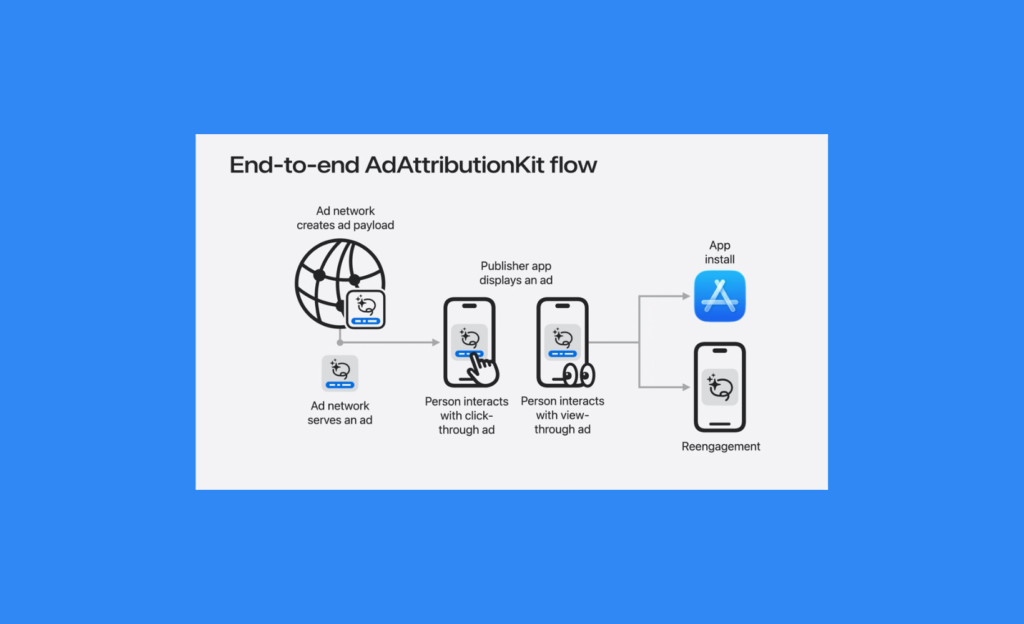
Who is actually using AdAttributionKit (AAK) today?
Short answer: nobody yet.
AdAttributionKit (AAK) adoption is still very early. Across the ecosystem, we’re not seeing meaningful production adoption today.
Right now, SKAdNetwork 4 is still the primary Apple attribution framework used by most advertisers and ad networks.
AAK may become more important over time, but getting there requires changes across the entire ecosystem, including:
- Apple OS adoption
- ad network integrations
- MMP support
- advertiser workflows
Until that happens, most iOS growth teams are working with a measurement stack that combines:
- SKAdNetwork postbacks
- network-reported conversions
- modeled attribution signals
- incrementality testing
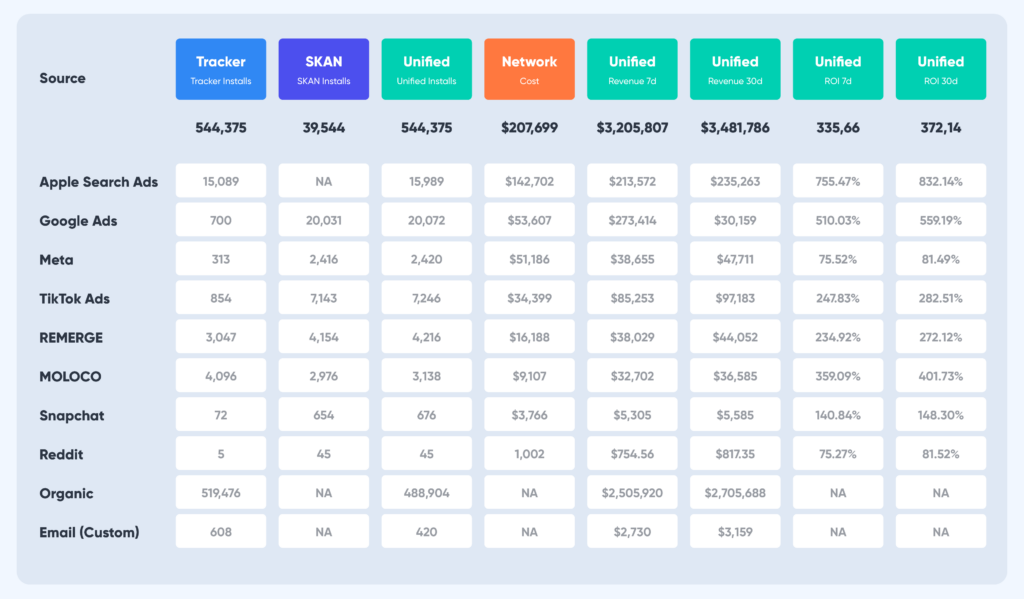
Platforms like Singular help make sense of all these signals. For example, Unified iOS Reports combine SKAN data, network reporting, and modeled attribution into a single view while automatically handling deduplication.
Learn more about AAK and SKAN here
Where can I find practical information about analyzing SKAdNetwork?
If you’ve searched for SKAN resources recently, you’ve probably noticed something: a lot of content explains what SKAN is, but not how to actually use it.
In practice, teams need help with things like:
- designing conversion value strategies
- understanding postback timing
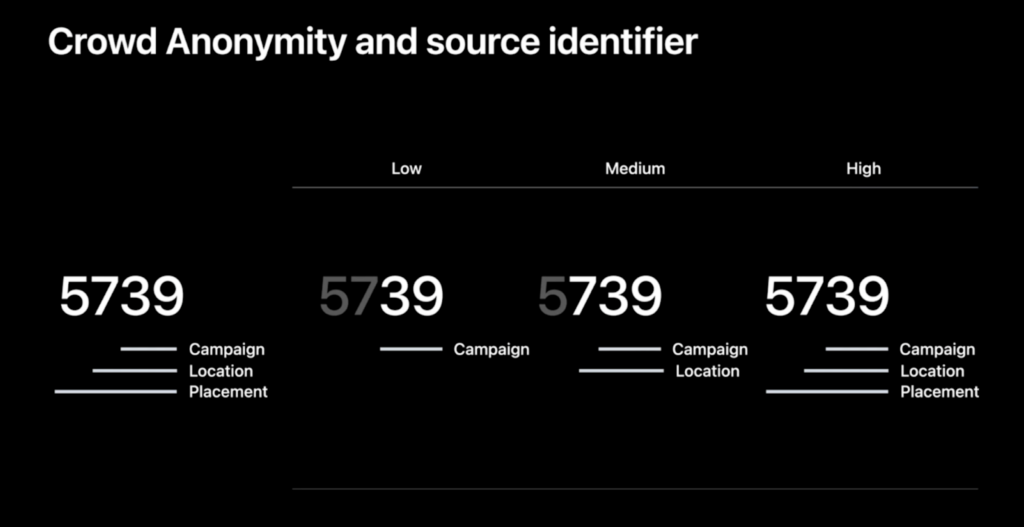
- optimizing under crowd anonymity thresholds
- combining SKAN signals with modeled insights
This guide walks through how to operate effectively with SKAN 4
Because SKAN data is delayed and intentionally limited, many marketers rely on modeling to fill in the gaps. Tools like Singular’s SKAN Advanced Analytics help restore insights such as revenue cohorts and campaign-level ROAS that SKAN alone cannot provide.
Platform attribution and tracking
What attribution method should you use for Meta iOS optimization?
Most teams optimize Meta iOS campaigns using a combination of Meta’s internal signals and SKAdNetwork data.
A typical setup looks like this:
Meta signals for
• real-time campaign optimization
• early performance signals
SKAN signals for
• validation and trend analysis
• aggregated performance reporting
• cross-channel comparisons
Relying on only one dataset usually creates blind spots.
That’s why many teams rely on MMPs to bring these signals together. Tools like Unified iOS Reports let you see Meta reporting, SKAN postbacks, and modeled attribution side-by-side so you can make more confident decisions.
Why do Meta purchase conversions differ from MMP subscription events?
If you’ve noticed this, you’re not alone. It’s one of the most common questions we hear.
The reason is simple: Meta and MMPs measure conversions differently.
Meta Ads Manager reports modeled conversions based on its internal attribution logic, while MMP platforms measure cross-channel attributed installs and downstream events.
Differences typically come from:
- attribution window differences
- view-through attribution
- modeled conversions
- event deduplication rules
Most teams handle this by using each dataset for what it’s best at:
- Meta reporting for optimizing campaigns inside Meta
- MMP reporting for understanding performance across all channels
Unified reporting tools make it easier to reconcile those signals.
Can you run TikTok attribution without an MMP?
Yes, technically.
TikTok provides self-attributing reporting and SDK-based measurement.
But without an MMP you usually lose:
- cross-network attribution
• deduplication across channels
• normalized reporting
• unified campaign analytics
This becomes a real problem once you’re running campaigns across multiple networks that may all influence the same installs.
Should you use an MMP for TikTok attribution?
If TikTok is one of several acquisition channels, the answer is usually yes.
An MMP helps you:
- deduplicate installs across networks
• normalize reporting across partners
• reconcile SKAN and network signals
• measure cross-channel performance
Platforms like Singular also combine cost data, attribution data, and engagement metrics into one dataset so you can analyze campaign performance more holistically.
What’s the best framework to track iOS conversions in Google Ads?
Most teams follow a structure like this:
- Configure SKAdNetwork measurement through the MMP
- Implement Google Ads SDK conversion mapping
- Use the MMP to reconcile installs and post-install events
- Compare Google signals with SKAN-validated trends
Because SKAN data is delayed and incomplete by design, many teams also rely on modeled attribution and unified reporting to interpret performance.
Data discrepancies and analytics
Why do Firebase installs differ from Google Ads installs?
This one comes up a lot.
The short explanation: these tools measure different things.
Differences between Firebase / Google Analytics and Google Ads install numbers usually come from:
- attribution window differences
- event deduplication rules
- delayed attribution
- privacy thresholds
- modeled conversions
In simple terms:
Firebase first_open events = all installs
Google Ads installs = installs attributed to Google campaigns
If you’re seeing large gaps, check:
- attribution windows
- conversion event definitions
- modeled conversions settings
Many teams rely on MMP datasets as their normalized source of truth when comparing performance across channels.
Platforms like Singular help bridge these gaps through Unified iOS Reports, which combine SKAN data, network reporting, and attribution modeling in one view.
Optimization strategies for iOS growth
Should Google be part of creative testing strategies?
Yes, but Google behaves a bit differently than social platforms.
Google App Campaigns tend to converge around a small number of winning creative combinations.
A typical pattern looks like:
- one dominant ad group
- a few high-performing asset combinations
- limited competition from other variations
To keep performance healthy, teams should continuously introduce new creative inputs so the algorithm always has fresh assets to optimize.
Do Custom Product Pages improve performance?
In many cases, yes.
Custom Product Pages (CPP) allow you to:
- align App Store messaging with specific campaigns
- tailor product pages to different audiences
- improve install conversion rates
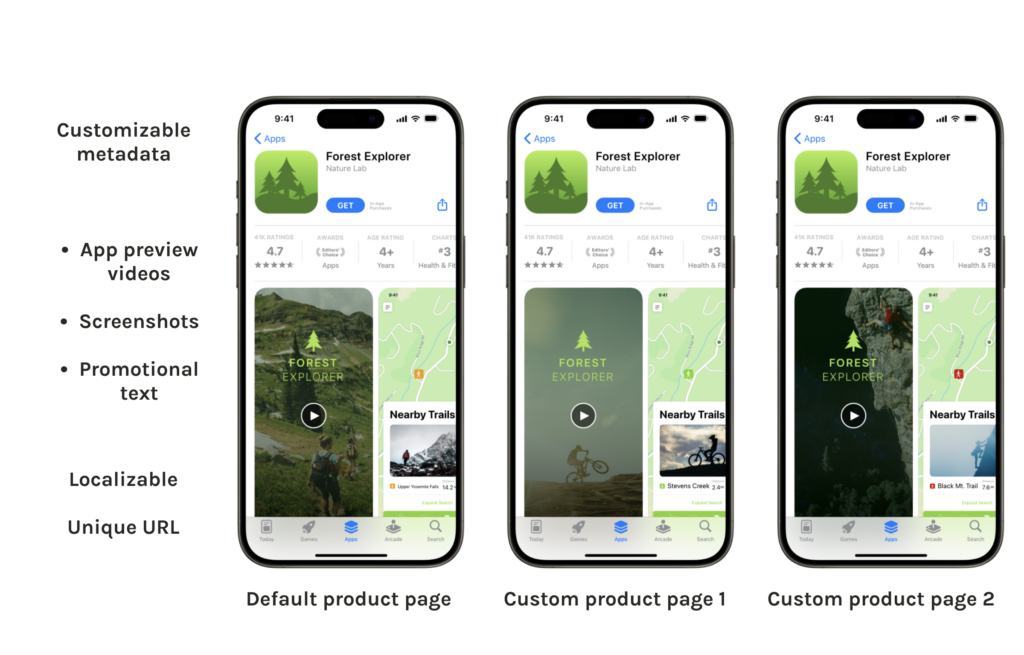
They’re particularly effective when paired with Apple Search Ads, where they can improve keyword relevance and post-click conversion performance.
Should you bid on your brand in Apple Search Ads?
Often, yes.
If your brand is well known and competitors are bidding on it, not defending your brand can mean handing installs to competitors.
Brand campaigns typically deliver:
- very high conversion rates
- lower CPIs
- rotection against competitor conquesting
Even if many of those installs might have happened organically, owning the top search placement prevents competitors from intercepting high-intent users.
Growth strategies and edge cases
How do specialized apps like password managers grow?
Niche utility apps tend to rely on high-intent channels rather than broad paid reach.
Common strategies include:
- Apple Ads
- content marketing and SEO
- partnerships and integrations
- referral programs
Apple Ads often works especially well because users searching for terms like password manager already have strong purchase intent.
How can attribution work for COPPA-compliant kids’ apps?
Kids’ apps come with extra constraints because persistent identifiers and behavioral tracking are restricted under COPPA.
That means traditional IDFA-based attribution isn’t allowed.
Instead, measurement relies on:
- privacy-safe attribution frameworks like SKAdNetwork
- compliant SDK implementations
- aggregated campaign signals
Growth strategies typically focus more on:
- creative testing
- App Store Optimization
- brand-driven acquisition
- partnerships and cross-promotion
Platforms like Singular provide SDKs specifically designed for kids apps that avoid collecting restricted identifiers while still enabling campaign measurement.
Learn more about kids’ app compliance here
Even with these limitations, aggregated signals and directional performance data can still support effective growth.
Can CTV actually drive installs?
Yes, but usually indirectly.
CTV often works as a performance assist channel, influencing installs that happen later on search, social, or other platforms.
Typical outcomes include:
- increased App Store searches
- higher branded install rates
- improved performance across other channels
Most teams measure CTV impact using:
- incrementality testing
- blended install lift
- brand search growth
Because of these cross-channel effects, direct CPI comparisons can be misleading.
How do you justify marketing spend to executives with imperfect attribution?
This is one of the biggest challenges marketers face today.
Instead of relying on a single “perfect” attribution metric, many teams now present performance frameworks.
These usually combine:
Blended performance metrics
- installs
- revenue growth
- CAC / LTV ratios
Directional attribution signals
- SKAN trends
- modeled conversions
- channel contribution
Incrementality experiments
Nothing builds executive confidence faster than causal lift from controlled tests.
When leadership sees measurable revenue impact, imperfect attribution becomes much less of a blocker.
Putting the pieces together: navigating modern iOS measurement
If iOS measurement sometimes feels like solving a puzzle with a few pieces missing, you’re not alone. The good news is that marketers everywhere are learning how to combine SKAN signals, network insights, modeling, and experimentation to fill in the picture. The result isn’t perfect attribution, but it’s more than enough to make smart growth decisions.
And if you want to keep leveling up your iOS strategy, check out the full webinar on demand.