Content
Stay up to date on the latest happenings in digital marketing
Summary
-
Embrace the OEM Ecosystem: With 1.85 billion daily active users, integrating Mobile Original Equipment Manufacturers (OEMs) like Samsung and Xiaomi into your user acquisition strategy is essential for accessing a vast audience beyond traditional platforms like Google and Apple, especially as Android 17 facilitates easier installation of alternative app stores.
-
Leverage Four Core Advertising Pillars: Focus on Dynamic Preloads for optimal visibility during device setup, utilize Alternative App Stores to bypass costly fees, implement Display Advertising to engage users based on on-device behavior, and invest in Branding to create lasting connections through premium placements.
-
Prioritize Data-Driven Campaigns: Take advantage of the fraud-free traffic and performance-based models offered by OEMs, ensure integration with Mobile Measurement Partners (MMPs) for real-time analytics, and create hyper-personalized campaigns based on detailed user behavior insights to maximize return on ad spend (ROAS).
As the mobile marketing landscape continues to evolve, the challenge for growth leaders remains the same: how do we find high-quality, incremental users at scale without being held hostage by the rising costs and saturation of the walled gardens?
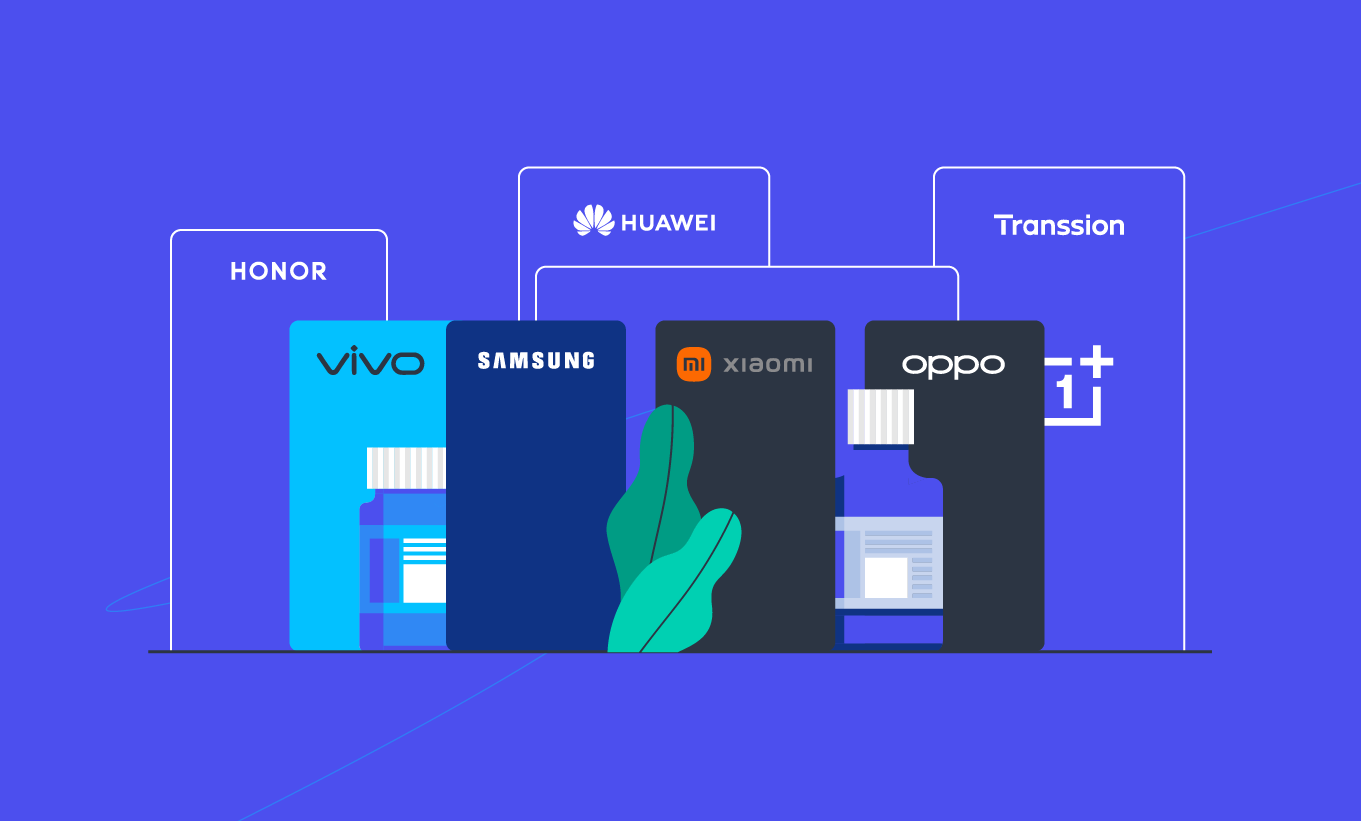
In 2026, the answer is no longer found solely within social and search. It’s found directly on the hardware in the hands of over 1.85 billion daily active users. Mobile Original Equipment Manufacturers (OEMs), such as Samsung, Xiaomi, Huawei, OPPO, vivo, and Honor, to name a few, have moved from being a niche alternative to a cornerstone of any sophisticated user acquisition strategy.
At AVOW, we’ve seen firsthand how diversifying into the OEM ecosystem can transform a brand’s trajectory. If you want to dominate the Android market, which accounts for 72% of the global mobile market share, OEMs are your primary gateway.
Here is why Mobile OEM advertising must be part of your growth engine this year, and the four core pillars that make it happen.
The Shift Beyond the Duopoly
For years, the industry was defined by a duopoly. But with landmark regulations like the Digital Markets Act (DMA) breaking down gatekeeper barriers, the landscape has dramatically shifted. OEM app stores are now allowed as default options, alternative payment systems are being integrated, and manufacturers have gained more control over their own advertising formats. Android 17 will also rubber-stamp this shift by introducing the “Registered App Store” feature, which will enable easy one-click installation of alternative app stores on any Android device.
For marketers, this means more freedom, less risk, and, most importantly, access to a vast, untapped audience that Google and Apple simply cannot reach alone.
The 4 Core Pillars of Mobile OEM Advertising
To truly leverage this channel, you must understand the four distinct ways to engage users across mobile OEMS.
1. Dynamic Preloads (Google Play Auto Install)
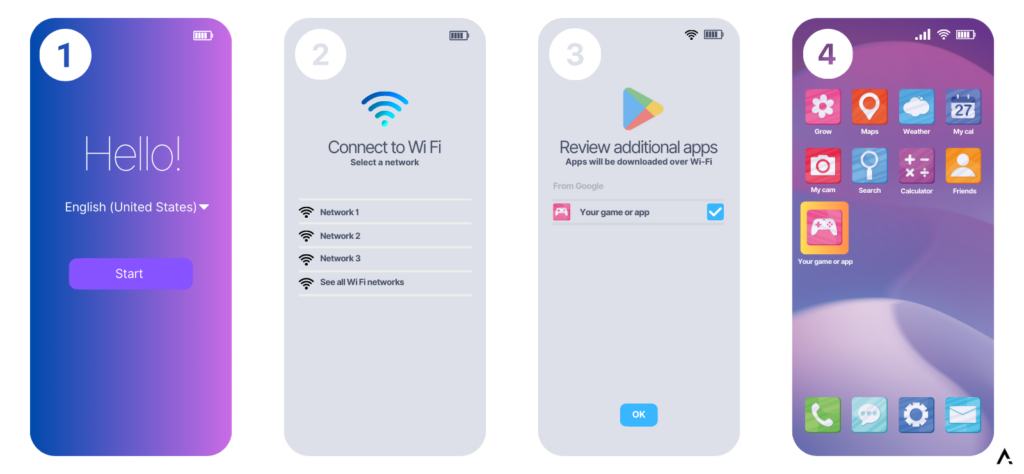
Imagine your app being the first thing a user sees the moment they unbox their brand-new device. Dynamic Preloads (or Google PAI) allow for precisely that.
Unlike traditional static pre-installs, Dynamic Preloads are triggered during the initial device setup or a factory reset. Users are presented with a curated selection of apps to install, ensuring that every download comes from an engaged user who has opted in.
- The OEM Advantage: No SDK implementation is required; it boosts your Google Play Store rankings, and it operates on a risk-free Cost-Per-Install (CPI) model.
2. Alternative App Stores
Diversification is the ultimate hedge against platform risk. By placing your app on alternative app stores like the Samsung Galaxy Store, Xiaomi GetApps, Huawei AppGallery, and OPPO Store, you are reaching users in a premium, curated environment.
- The OEM Advantage: One of the most significant advantages here is the ability to bypass the traditional “30% tax” imposed by major gatekeepers. Marketers can negotiate better billing solutions and larger cuts of each sale.
3. Display Advertising
On-device display ads place your brand directly into the daily mobile experience, from the browser and app vault to notification centers and splash screens.
- The OEM Advantage: Because these ads are integrated into the OS, advertisers can target users based on real on-device behavior and existing app usage. This ensures your message is relevant and highly effective for both UA and retargeting.
4. Branding
Branding on OEMs is about gaining mindshare through genuine connection. With premium placements on offer with mobile OEMS, your app receives a direct endorsement from the manufacturer, appearing as a top recommendation from the OEM itself. The distinct advantage of branding also lies in its versatility, as branding campaigns can be run without the need for an app or mobile presence from the advertiser.
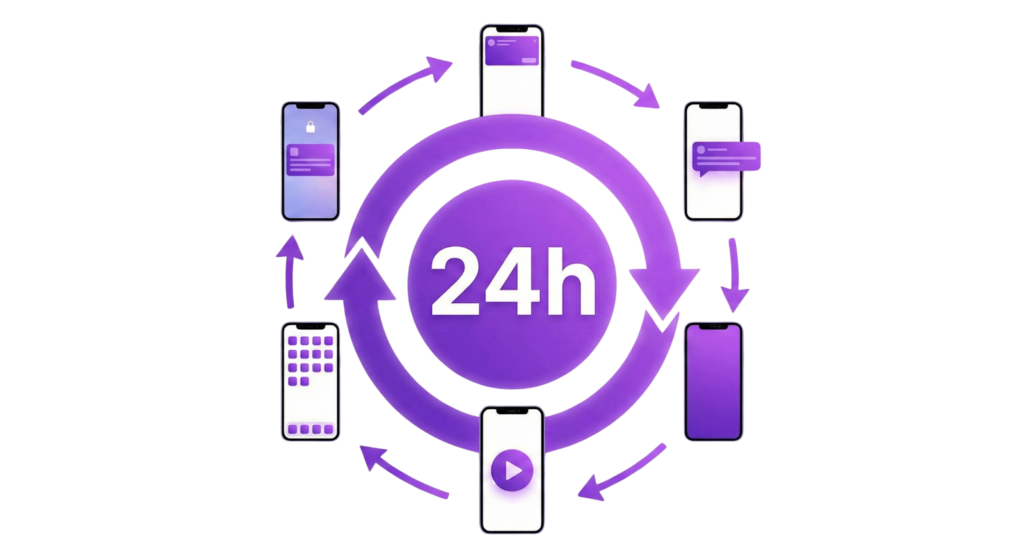
- The OEM Advantage: Whether through video splash screens or lock screen feeds, OEMs allow you to stay top-of-mind across the entire user journey, from morning alarms to late-night shopping.
Why Marketers Trust the OEM Ecosystem
Beyond the reach and the formats, there are several reasons why the OEM ecosystem is increasingly trusted.
- 100% Fraud-Free Traffic: Because ads are served directly on the device hardware with no additional layers between the user and the advertiser, the risk of fraud is virtually eliminated.
- Performance-Based Models: OEMs offer a range of performance-based models that allow advertisers to run campaigns with less risk and achieve higher ROAS.
- Integration with MMPs: The backbone of any successful campaign is its analytical prowess, and integration with leading attribution platforms ensures marketers aren’t flying blind. Every decision is data-backed, meaning campaigns evolve in real-time, optimizing for maximum efficacy.
- Monetization and Freedom of Choice: OEMs provide brands with the freedom to choose how they would like to monetize and which payment providers they would like. Advertisers no longer have to be forced into the default payment system and the blanket “tax” imposed in the walled gardens.
- Extensive Targeting: With their deep insight into user behavior from precise device-level data, mobile OEMs enable marketers to craft hyper-personalized campaigns.
Ready to Get Started with Mobile OEMs?
The question for 2026 isn’t whether you should be on Mobile OEMs but how quickly you can scale there. Don’t leave your growth to the mercy of the walled gardens.If you are ready to dive deeper and master this landscape, I encourage you to read our new 2026 Mobile OEM Advertising Guide. This comprehensive playbook is designed to help you navigate the complexities of the ecosystem, from understanding specific ad formats to optimizing your cross-channel strategy for maximum performance, backed up by real-world success stories from brands that have embraced this future of app growth.


Ashwin Shekhar

Co-Founder & CRO @ AVOW | Mobile OEM Advertising